
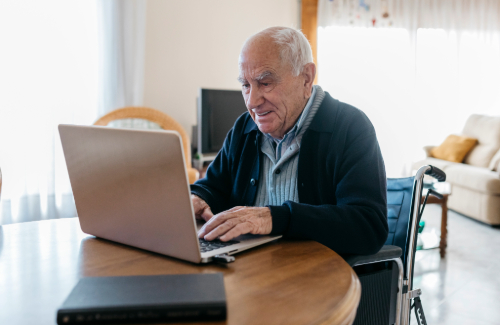
When CL first began online counseling, he could clearly and eloquently describe where he found himself in life, yet his reflections were marked by harsh self-criticism. He was an older man grappling with cognitive changes following a medical setback that had altered his day-to-day functioning and his sense of identity. The person he used to be no longer felt accessible, and the person he was becoming felt unfamiliar and disappointing.
He struggled to accept his new reality and wanted to better understand himself and his life. He felt isolated, alone, and increasingly critical of himself. He questioned his role in his family, his value in society, and whether he still had anything meaningful to offer. Without change, he feared he would continue living in a cycle of self-blame, measuring himself against a past version that no longer fit.
When Identity Shifts With Aging and Health Changes
CL’s experience is common among seniors facing medical or physical limitations. Health changes often bring both visible and invisible losses. Independence, confidence, and a sense of purpose can quietly erode identity and self-worth.
For CL, this was compounded by unresolved childhood experiences that resurfaced once his life slowed down. Long-held beliefs about responsibility, competence, and expectations became heavier as he tried to adapt to new limitations.
Over time, it appeared that, more than anything, he desperately needed a place to talk freely, to be heard without judgment, and to understand why he felt so stuck. He wanted support, even though he could not yet define what “better” would look like.
Consistent, Compassionate Online Counseling
Counseling with CL was intentionally client-led. We engaged in meaningful dialogue and creative ways of expression. He talked about his life and challenges, and I listened, validated, and offered interventions to reconcile the criticism with self-compassion.
Over time, our online counseling sessions included:
- Gentle challenges to harsh, self-critical thinking
- Ongoing encouragement of self-acceptance and self-compassion
- Reflections on books and poetry that resonated with him
- Custom guided meditations focused on presence and kindness toward self
- Writing exercises that allowed expression beyond conversation
A key element of this work was consistency. Weekly online sessions gave CL a routine he could rely on. No matter how difficult the week had been, there was a place where he did not need to explain himself, justify his feelings, or live up to expectations. The support was unconditional.
Rather than measuring progress by dramatic change, we focused on small moments. A shift in perspective. A softened inner response. A willingness to try something unfamiliar. Over time, these moments added up.
Small but Meaningful Moments
Over our time of working together CL experienced less isolation and a stronger sense of connection. Even when external circumstances remained the same, he no longer felt alone with his inner experience. Being consistently seen and heard reduced his emotional withdrawal.
He developed greater freedom of expression. Counseling became a space where he could share thoughts, emotions, and reflections without fear of judgment. This openness fostered moments of creative expression through writing and meditation.
He cultivated stronger self-compassion. While self-criticism did not disappear entirely, it loosened its grip. CL accepted the challenge to respond to limitations with understanding rather than shame, and to recognize that adapting to change is not a failure.
He also took creative and emotional risks. He explored meditation, shared meaningful passages from books he loved, and practiced being present with moments of beauty exactly as they were, rather than as he thought they should be.
Why Online Counseling Matters for Seniors and Their Families
This story reflects what it can look like to learn how to live peacefully with change. Many seniors face seasons of life that feel shrinking, uncertain, or isolating. Counseling can help create space for dignity, meaning, and connection during these transitions.
For families supporting an aging spouse or loved one, online counseling offers a neutral, supportive space where emotions can be explored without placing strain on family relationships. For seniors themselves, online counseling provides accessibility, consistency, and support from the comfort of home.
Find Compassionate Online Counseling for Yourself or a Loved One
If you or someone you care about is struggling with aging, health changes, or a loss of identity, online counseling can help create space for understanding, acceptance, and connection.
If you would like to explore whether this kind of support might be a good fit, I invite you to book a call to talk about what counseling could look like for you or your loved one.

Eric Lebowitz, MT-BC, LCAT, is a music therapist and founder of InVibe Creative Arts Therapy. He helps adults, dementia caregivers and family members, and seniors navigate stress, grief, and life transitions through music, creativity, and mindfulness. With training from Berklee and NYU, Eric blends neuroscience-informed care with accessible creative tools to help people feel grounded, capable, and connected to themselves and those they love.