

Many people carry a quiet belief that creativity belongs to a certain type of person. Artists. Musicians. Writers. People who started young, had training, or knew what they were doing. For others, creativity can feel intimidating, unnecessary, or simply out of reach.
“I’m Not Creative”—The Belief That Almost Stopped Him
HM came to a one-on-one online creative course with curiosity rather than certainty. He was an older adult who ran his own business and had lived a full, demanding life. He did not identify as a songwriter, yet he was open to exploring how creative work might support stress reduction, positivity, and personal growth.
What he was really looking for was not a polished creative product, but a meaningful experience.
More Than Creativity: Stress, Negativity, and a Search for Something Better
At the beginning of the course, HM was interested in creativity but unsure what it would look like for him. Songwriting, in particular, felt unfamiliar. Like many people, he carried assumptions about what a “song” should be, how it should sound, and who it should be for.
There was also a broader motivation. He wanted to reduce stress, combat negativity in his daily life, and explore ideas related to mindset and spiritual growth. Concepts like manifestation were interesting to him, though we approached these carefully, not as promises of outcomes, but as practices of awareness, intention, and positivity.
The question was not whether he could become a songwriter, but whether creativity could become a supportive, flexible tool in his life.
A Clear Structure That Made It Easy to Show Up
We worked together through an eight-session, one-on-one online course, meeting weekly for one to two hours at a time. The course followed a clear structure using the MUSIC process, which included an introduction, a closing integration session, and six experiential sessions in between.
Each session combined education, reflection, and creative practice. HM was guided through concepts related to mindset, creativity, self-compassion, and expression, with songwriting used as the primary experiential vehicle.
Importantly, creativity was never framed as performance. There was no pressure to write something impressive, finished, or shareable. Instead, the focus was on experience, curiosity, and learning how creative processes parallel real life.
Songwriting became a way to:
- Explore flexibility instead of rigidity
- Practice self-compassion when things felt unfamiliar
- Challenge limiting beliefs about “doing it right”
- Notice how mindset shapes experience
- Build confidence through safe, creative risk-taking
Songwriting Was the Entry Point, Letting Go Built Confidence
One of the most meaningful shifts during the course was HM’s understanding of what a song actually is. He learned that a song does not need to be on the radio to be valid. It does not even need to include music. A song can be an idea, a structure, a reflection, or a creative container for experience.
This reframing was powerful.
Rather than evaluating himself against external standards, HM began to engage more freely with the process. Creativity became playful rather than pressured. He completed every experiential exercise in the course, not because he had to, but because the structure supported him.
The consistency of meeting weekly, having guidance, and knowing there was no judgment allowed him to stay engaged even when exercises felt challenging.
The Shift: Redefining What “Counts” as a Creativity
By the end of the course, success was not measured by a finished song or technical mastery. Success was defined by participation, openness, and growth.
HM described the experience as fun and meaningful. He challenged limiting beliefs around creativity and loosened rigid ideas about what creative work should look like. The structure of the course itself was valuable, offering both containment and freedom.
Perhaps most importantly, the parallel lessons carried beyond creativity. Practicing positivity, engaging with mindset, and approaching challenges with curiosity rather than self-criticism became tools he could apply to daily life.
Why Creativity Matters for Older Adults
This success story reflects something many older adults experience. The desire to explore creativity later in life often comes with hesitation, self-doubt, or the belief that it may be “too late” or unnecessary.
HM’s experience shows that creativity does not have to be about talent or output. It can be about growth, presence, and rediscovering flexibility. With the right structure and support, creative exploration can be both accessible and deeply rewarding.
Explore a Different Kind of Creative Experience
Creativity can be a powerful way to reduce stress, challenge negativity, and reconnect with curiosity. It does not need to be public, polished, or productive to be valuable.
If you are an older adult who feels curious about creativity but unsure where to start, or if you are interested in creativity as a form of personal growth rather than performance, one-on-one mindfulness coaching or group creative work online can offer a meaningful entry point.
If you would like to explore whether a guided creative course might be a good fit, I invite you to book a consultation. We can talk about your interests, goals, and what a supportive creative experience could look like for you.
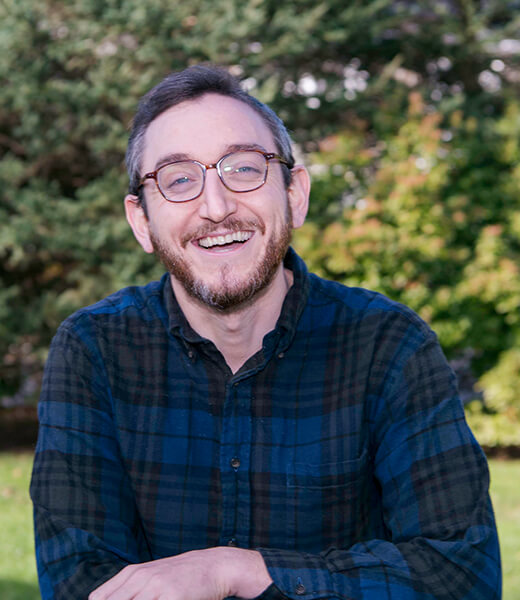
Eric Lebowitz, MT-BC, LCAT, is a music therapist and founder of InVibe Creative Arts Therapy. He helps adults, dementia caregivers and family members, and seniors navigate stress, grief, and life transitions through music, creativity, and mindfulness. With training from Berklee and NYU, Eric blends neuroscience-informed care with accessible creative tools to help people feel grounded, capable, and connected to themselves and those they love.